When buyers begin exploring Arizona's mountain communities, two names come up consistently: Flagstaff and Payson. Both sit above 5,000 feet. Both offer pine forests, cooler summers, and a meaningful alternative to the low desert. But they are fundamentally different places — in character, in infrastructure, in real estate dynamics, and in what kind of life they support.
Flagstaff: The University Town
Flagstaff is Arizona's most prominent mountain city, home to Northern Arizona University and situated at 7,000 feet on the Colorado Plateau. It is a genuine small city with a vibrant downtown, a strong arts and culture scene, and a well-established real estate market. It is also, by Arizona mountain standards, expensive — median home prices have risen sharply as remote workers and retirees have discovered it over the past decade.
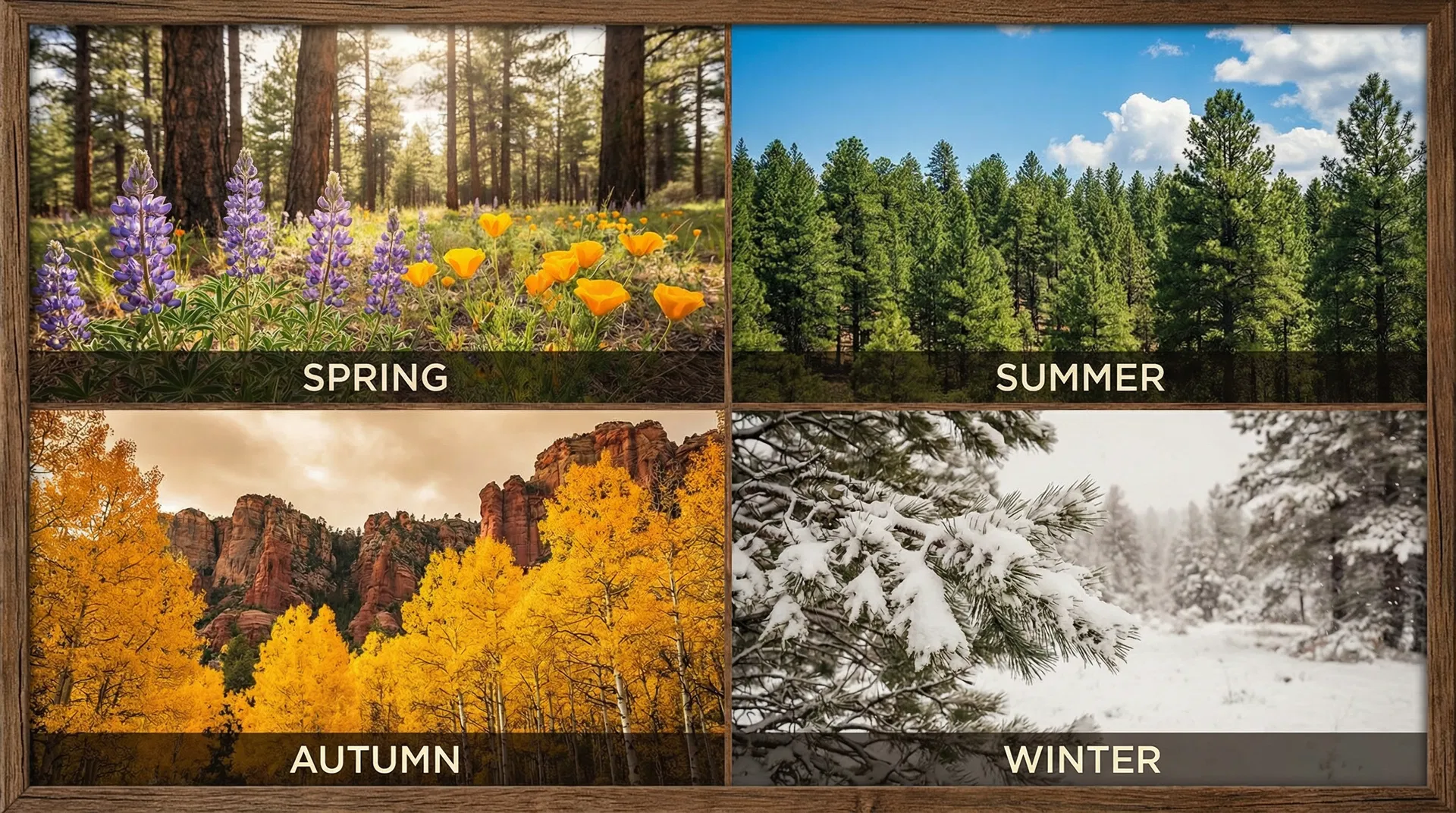
Flagstaff winters are serious. The city averages over 100 inches of snowfall annually — more than Denver, more than Salt Lake City. For buyers who want a genuine mountain winter experience and are prepared for it, this is a feature. For buyers who want the mountain aesthetic without the logistical demands of heavy snow, it can become a friction point over time.
Payson: The Established Neighborhood
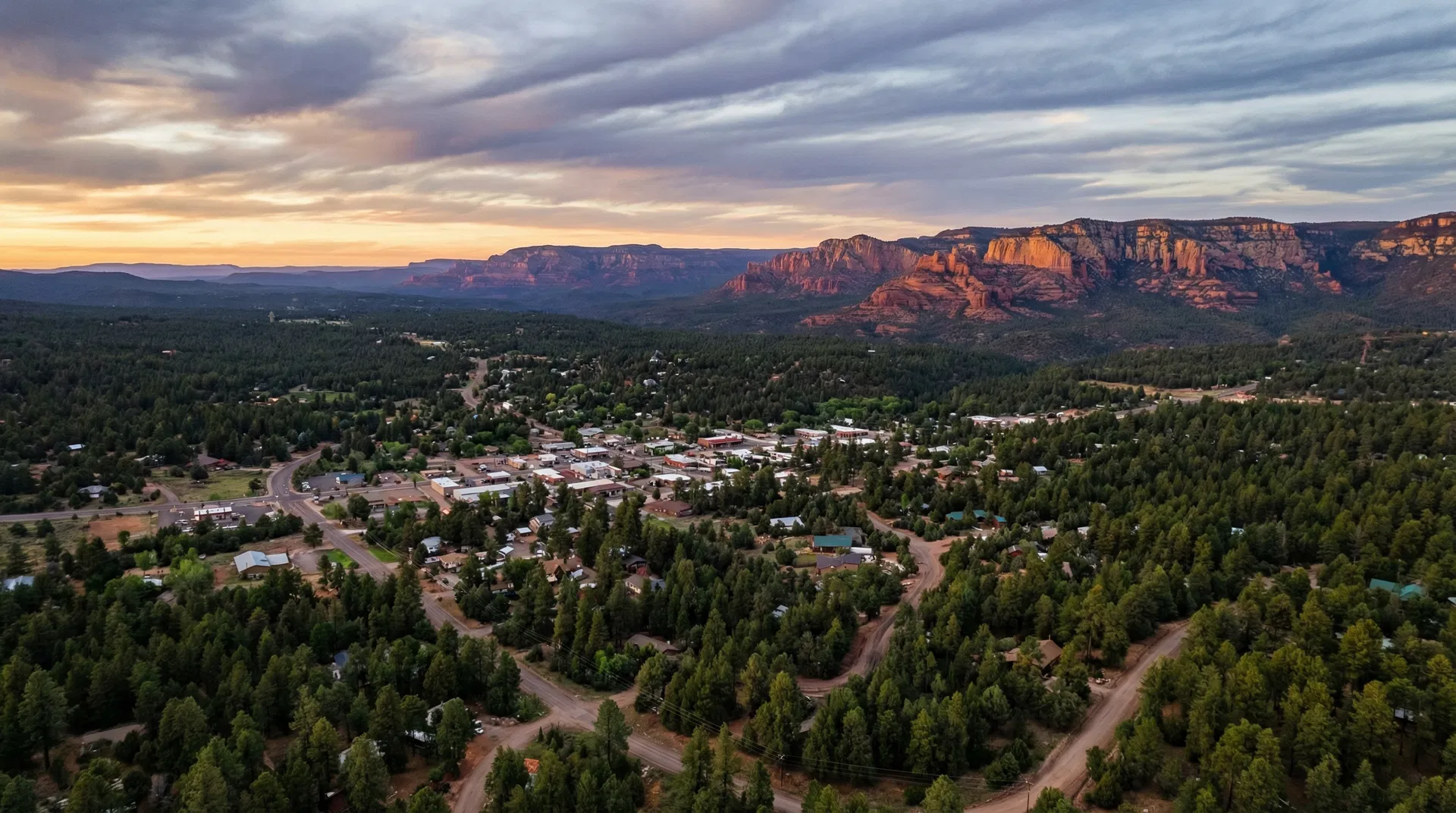
Payson operates at a different register. At 5,000 feet, it receives meaningful winter snow without Flagstaff's volume. Its summers are cooler than Phoenix but warmer than Flagstaff — a climate that many buyers find more livable year-round. The town has the infrastructure of a small city — full hospital, full retail, municipal utilities — without the density or the university-town energy.
Payson's real estate market is also earlier in its appreciation cycle. Buyers who entered Flagstaff a decade ago have seen significant gains; buyers entering Payson today are positioned similarly to where Flagstaff was before its most significant run-up. This is not a guarantee — no real estate market is — but the underlying drivers are comparable: proximity to a growing metro, limited supply, strong natural amenities, and an expanding pool of remote-work-enabled buyers.
The Distance Factor
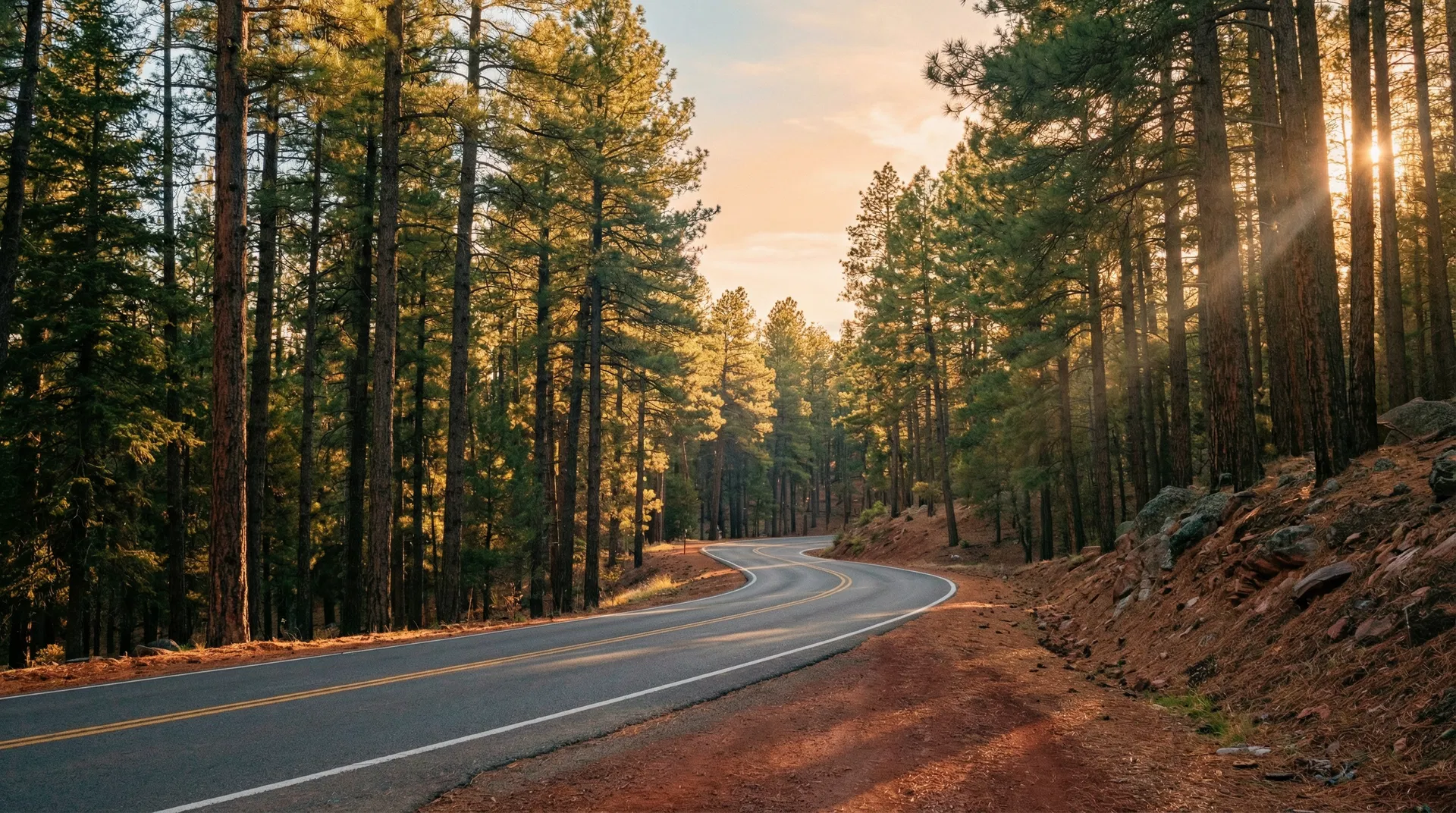
Flagstaff is approximately 2.5 hours from Phoenix via I-17. Payson is 2 hours via Highway 87. The difference is modest in absolute terms, but the quality of the drive matters: Highway 87 through Payson is a more direct, less trafficked route that many buyers find more manageable as a regular commute or weekend trip.
| Factor | Payson | Flagstaff |
|---|---|---|
| Elevation | 5,000 ft | 7,000 ft |
| Summer High (avg) | 85°F | 78°F |
| Annual Snowfall | ~15 inches | ~100 inches |
| Distance from Phoenix | ~2 hours | ~2.5 hours |
| Hospital | Full-service (Banner) | Full-service (NAH) |
| University | None | NAU (30,000 students) |
| Market Stage | Early appreciation | Established / higher prices |
| Character | Residential, quiet | College town, active downtown |
The Right Question
The choice between Payson and Flagstaff ultimately comes down to what kind of life you are building. If you want a vibrant small city with a university energy, a robust arts scene, and you are comfortable with serious winter weather, Flagstaff is an excellent choice. If you want a quieter, more residential mountain community with a gentler climate, earlier-stage real estate dynamics, and the infrastructure to support full-time living without the college-town atmosphere, Payson is the more compelling answer.
The buyers who choose Payson tend to be people who have already done the research — who know what they want and have found the place that delivers it without compromise.